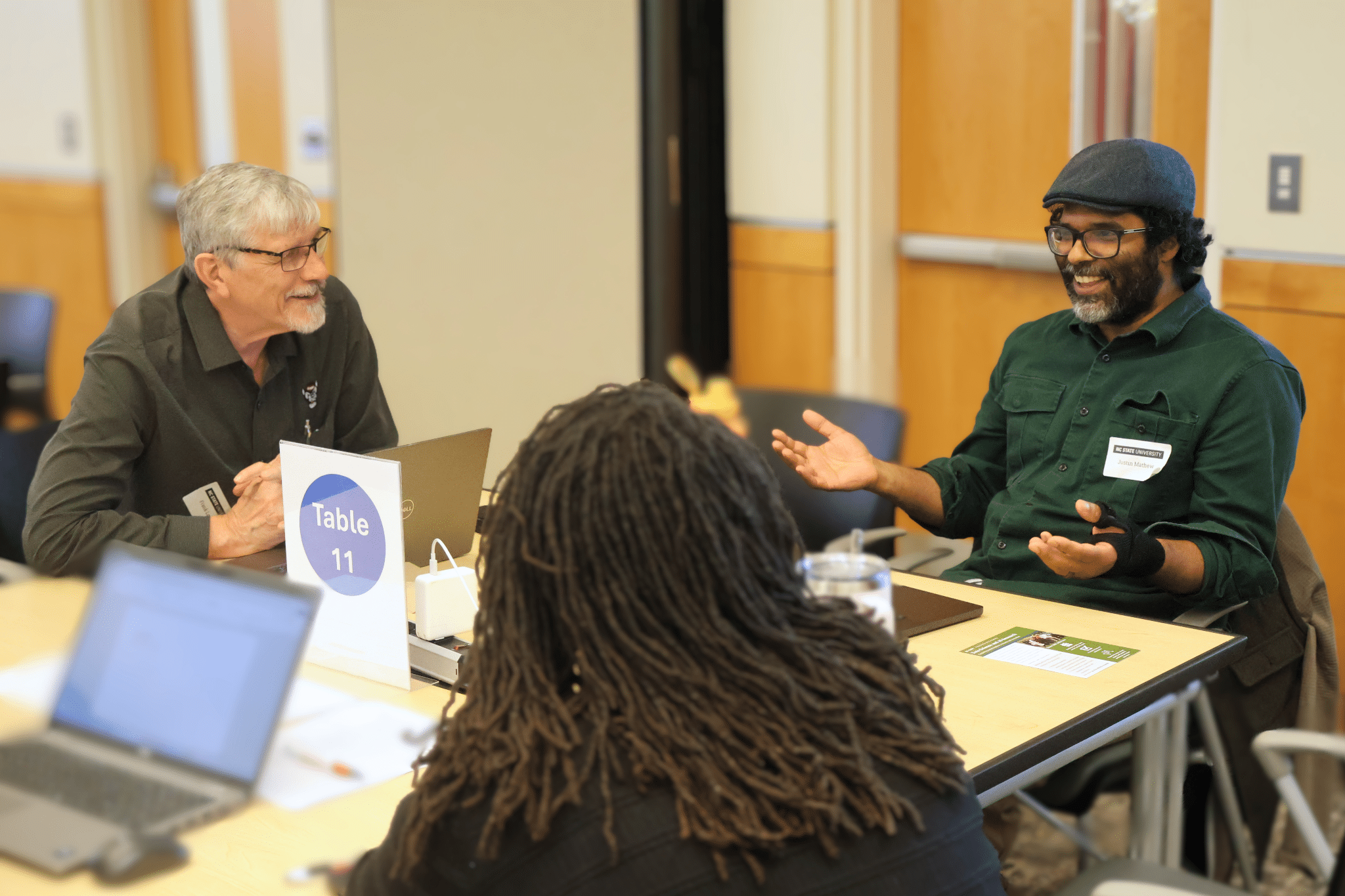
Keeping it Real: Teaching with Data that Matters
A year-long program connects North Carolina educators with real research data, building confidence, collaboration and classroom-ready lessons grounded in local impact.

Recently, the Data Science and AI Academy’s (DSA) Real Teaching with Real Data program concluded, marking a transformative year of professional learning that brought real-world data into North Carolina classrooms. Designed in partnership with Taryn Shelton—K-12 Program Coordinator and lead for DSA’s K-12 outreach program—Data Explorers, and the Center for Human Health and the Environment (CHHE), the program empowered middle and high school teachers to work directly with datasets generated by environmental and public health scientists at NC State.
The program brought together a statewide cohort to explore how datasets from real research studies could be used to support inquiry, analysis, and storytelling across disciplines in the classroom. Participants took part in two, week-long summer workshops, two weekend intensives during the school year, and monthly virtual check-ins.
The program was designed to model best practices in data exploration, with an emphasis on accessibility, collaboration, and real-world relevance. From day one, teachers worked hands-on with datasets provided by CHHE researchers—including data on PFAS contamination, cadmium exposure, and public health surveys—supported by expert guidance and peer feedback.
“We created the Real Teaching with Real Data program to give teachers access to the same datasets scientists use here in North Carolina, and to help them build student agency by grounding lessons in research that is local, relevant, and connected to their communities. Unlike typical professional development, this program wasn’t about handing teachers materials; it was about valuing their expertise as educators and partnering them with field researchers to create authentic, impactful lessons.”
– Taryn Shelton, DSA K-12 Program Coordinator
By connecting local educators with insightful datasets and classroom-ready tools, the program gave participants the confidence and support to reimagine what data science can look like in a middle or high school setting. The lessons created through this initiative — focused on topics like environmental toxicology, community health and data storytelling — are now publicly available as part of DSA’s Data Stories in the Classroom collection.
Educators in the Loop: Teacher Experience & Engagement
The heart of the program was the community of educators who brought their creativity, expertise and curiosity to every session. From scavenger hunts and personal data journaling, to coding in R and exploring locally-relevant datasets, the workshops were built around high-engagement strategies that encouraged teachers to learn like students—by doing, questioning and reflecting
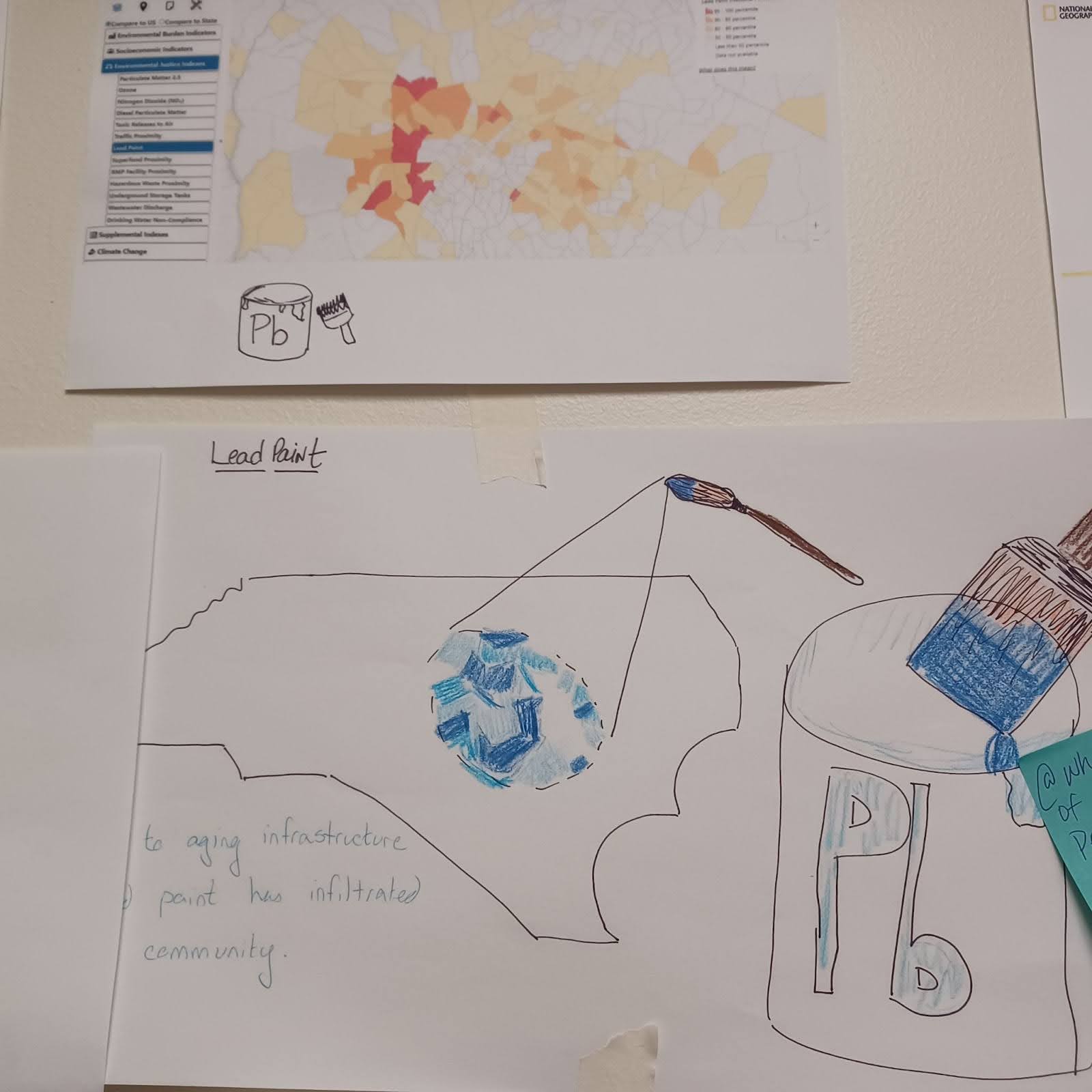
Teachers used tools like WEKA, a visual platform for testing patterns and predictions in large datasets, and CODAP, a user-friendly, drag-and-drop tool for exploring and visualizing data—both designed to help students make sense of real-world information without needing to write code. They also developed low-barrier coding and visualization skills and collaborated to build lessons grounded in data from research in and about North Carolina. In addition to technical data fluency, participants emphasized how the program encouraged student voice, agency, and connection to local issues.
Researcher Collaboration & CHHE Impact
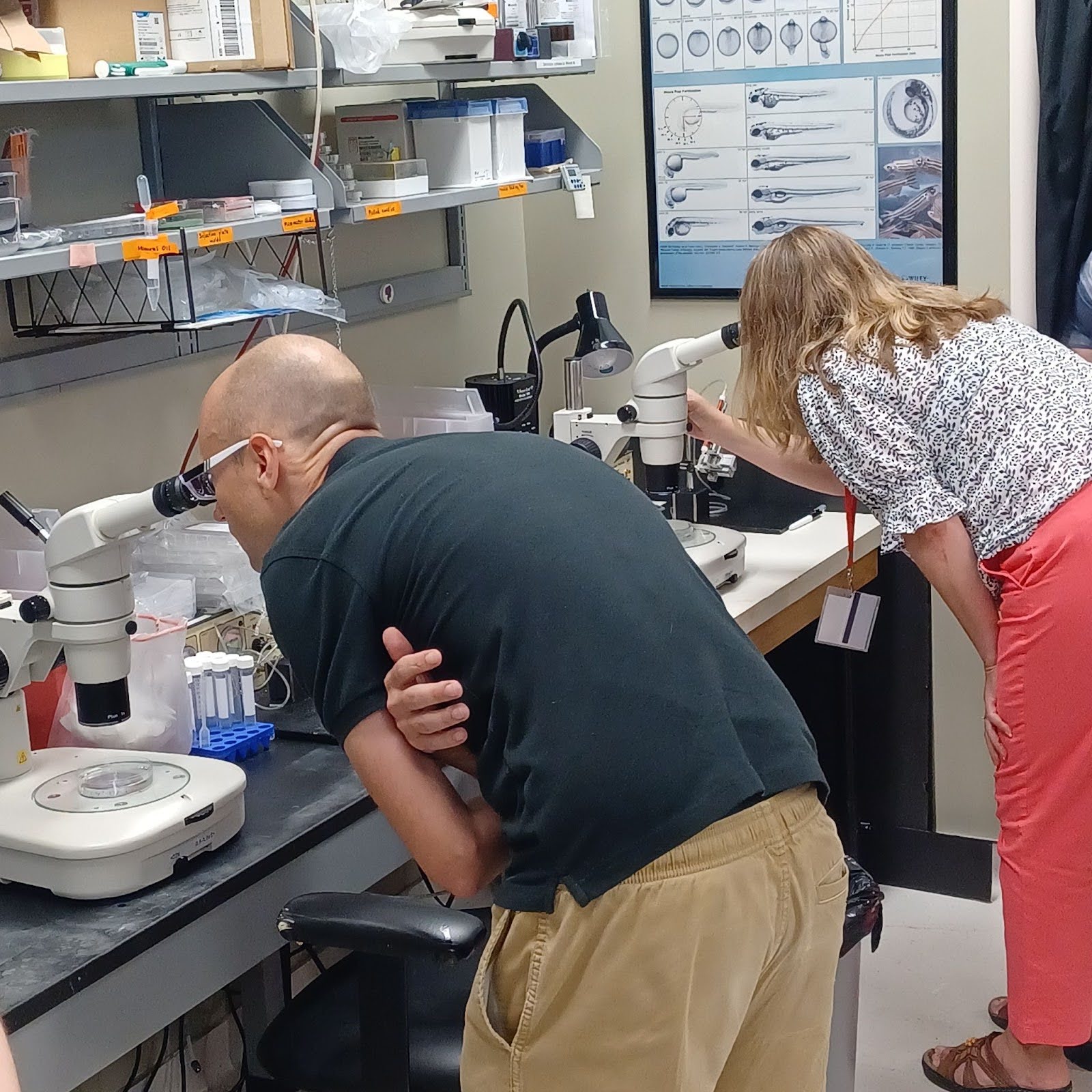
One of the most powerful elements of the program was the direct collaboration between educators and CHHE researchers. Scientists, including Detlef Knappe, Jennifer Richardson, Jeff Yoder, Owen Duckworth, and Mike Cowley, contributed time and expertise to contextualize and explain their research. CHHE community engagement leaders, Katy May and Lacey Brown, helped bridge the gap between lab and lesson, translating research into classroom-ready concepts and offering support to educators throughout the year.
These partnerships emphasized the real-world stakes of the data: much of it was collected in North Carolina and tied directly to public health issues affecting students’ communities.
“Scientists are used to talking with other scientists, so when we began working with CHHE researchers, we spent time learning how they organized data, ran experiments, and framed their research to connect it to our program. Researchers and grad students were eager for their science to reach classrooms and helped adapt datasets into activities, even inviting us into labs to see the work behind the numbers—like zebrafish embryos under a microscope or PFAS testing. The best part was at the end, when teachers presented how they used these activities with students, sharing the excitement of bringing locally relevant research into their classrooms.”
– Katy May, Co-Director | CEC, Center for Human Health and the Environment
Lessons Created and Shared
Throughout the year, educators translated their training and collaboration into cross-disciplinary lessons tailored to their classrooms. These lessons integrated science, math, social studies, and storytelling, often tying student inquiry directly to local environmental data. Several teachers co-presented their work at conferences such as the 2024 NC Data Science Education Summit, the NC Science Teachers Association Annual PD, and the Data Science Education K-12: Research to Practice National Conference.
Completed lessons are now publicly available through the Data Stories in the Classroom web page, offering other educators the opportunity to explore and adapt them.

Moving Data-Forward
Survey responses from participating teachers show a significant increase in confidence in cleaning and organizing raw datasets, conducting basic data analysis, and using data analysis software. Additionally, teachers reported an increased understanding of local Environmental Health Science issues, like PFAS contamination and confidence level in bringing EHS concepts into their classrooms.
In several focus groups and interviews, participants shared that they plan to continue incorporating data science concepts into their lessons. One teacher noted, “I think it was highly beneficial for my kids from many perspectives. And finally, I’m starting to get a grip on this data analysis, and I have learned a lot, to say the least.”
Educators shared that the community of peers, access to researchers and tangible classroom applications made this program a standout experience. Many plan to continue using CHHE datasets and data science tools in future units, expanding their integration of student-centered inquiry and interdisciplinary teaching. Through the dedication of educators, collaboration with researchers, and continued support from the CHHE and DSA teams, this initiative set a new standard for how data science and environmental health can come together in the classroom in North Carolina.
As lessons continue to be shared and connections strengthened, the program provides a model of community-centered, evidence-based teaching that’s as real as the data itself.
Interested in the DSA? Visit our website and follow us on Instagram and LinkedIn, so you never miss out on events and opportunities.